
What Is the Most Common Complication of a Pessary?
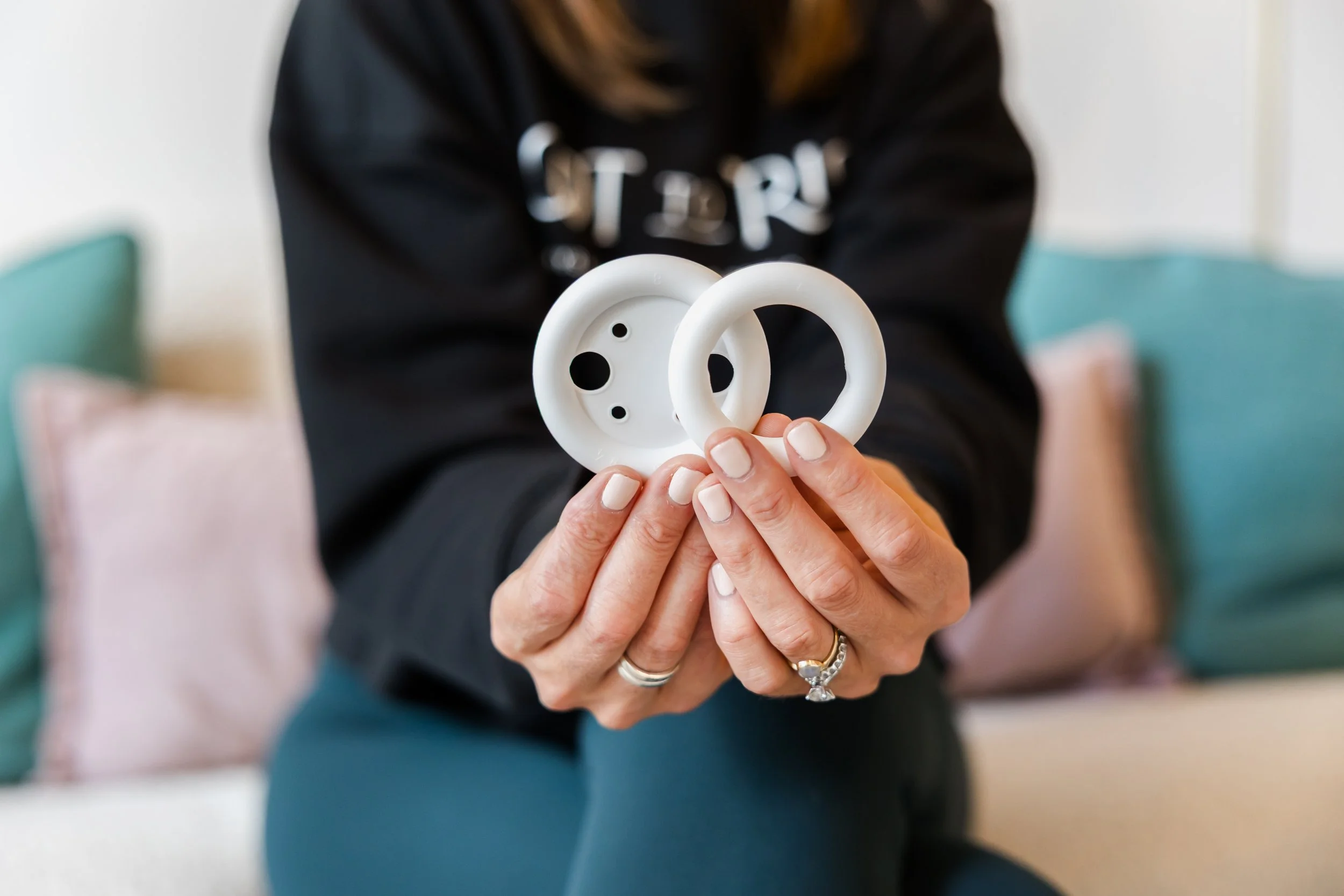
Dr. Jennifer Gelfand of Root To Rise Physical Therapy holding two ring pessaries for pelvic organ prolapse treatment in Scarborough Maine
If you’ve been told you might benefit from a pessary for pelvic organ prolapse or urinary incontinence, you likely have questions. One of the most common we hear at Root To Rise Physical Therapy & Pelvic Health in Scarborough, Maine is:
“What is the most common complication of a pessary?”
Here’s what to know and what you can do to prevent problems and feel confident using one.
What Is a Pessary?
A pessary is a removable (usually silicone) device that goes inside your vagina to support pelvic organs. It’s commonly used to manage:
Pelvic organ prolapse (descent of the bladder, uterus, or rectum)
Stress urinary incontinence
Postpartum pelvic support needs
Support during exercise
Pessaries are a non-surgical, highly effective option that many people use successfully for years, especially when properly fitted and monitored.
At our pelvic floor PT clinic in Scarborough, we provide pessary fittings, education, and ongoing management support to ensure comfort and safety. The most effective conservative treatment for pelvic organ prolapse includes a pessary in conjunction with pelvic floor PT.
The Most Common Complication of a Pessary
Vaginal irritation or discharge
This can include:
Increased vaginal discharge
Mild irritation
Spotting
Odor (if left too long without cleaning)
This complication is usually mild and preventable with proper care and follow-up.
Why Does Vaginal Irritation Happen?
Irritation typically occurs due to:
A pessary that isn’t the correct size
Insufficient lubrication
Vaginal dryness (especially in perimenopause or menopause)
Leaving the pessary in too long without cleaning
Not having regular check-ins with your provider
When properly fitted and monitored, serious complications are rare.
How to Prevent Pessary Complications
At Root To Rise, we take a proactive approach to pessary management.
Here’s what helps:
1. Proper Fitting
A pessary should feel supportive and not painful. If you feel pressure, pinching, or slipping, it may need adjustment.
2. Individualized Cleaning Schedule
Some patients remove and clean their pessary daily or weekly. This will depend on the type of pessary you use. We tailor this plan to you.
3. Vaginal Tissue Support
For those experiencing dryness (common in perimenopause and menopause), topical estrogen or vaginal moisturizers may be recommended in collaboration with your provider.
4. Regular Follow-Ups
Routine pelvic floor check-ins allow us to:
Assess tissue health
Ensure correct fit
Make adjustments as your body changes
Monitor prolapse symptoms
Support pelvic floor strength and function alongside pessary use
When Should You Call a Pelvic Floor PT?
Some symptoms are important to address promptly. These include:
Persistent vaginal bleeding
Pain with your pessary in place
Strong or changing odor
Difficulty removing the pessary
New urinary or bowel symptoms
The Bigger Picture: Pessaries + Pelvic Floor Physical Therapy
While a pessary provides mechanical support for pelvic organ prolapse, pelvic floor physical therapy addresses the root cause:
Pelvic floor muscle coordination (since the pelvic floor muscles support connective tissue and your organs)
Core and breath mechanics
Pressure management during lifting or exercise
Postpartum recovery
At Root To Rise, our Doctors of Physical Therapy are trained and certified in pessary fittings and and we integrate pessary management with personalized pelvic floor therapy in order to fully address symptoms and optimize your body’s function as a whole.
Looking for Pessary Fitting in Scarborough, Maine?
If you’re in Scarborough, Portland, South Portland, Cape Elizabeth, or surrounding Southern Maine communities, we’re here to help.
We offer:
Comprehensive pelvic floor evaluations
Pessary fittings
Pessary management and follow-up care
Prolapse rehabilitation
Postpartum pelvic health support
You don’t have to jump straight to surgery and you don’t have to navigate this alone.
Final Thoughts
The most common complication of a pessary is mild vaginal irritation or discharge and with proper fitting and ongoing support, it’s very manageable.
When fitted correctly and paired with pelvic floor physical therapy, a pessary can be a safe, empowering tool that helps you return to the activities you love symptom and stress free.
If you’re curious whether a pessary is right for you, we’d love to connect with you!