
Can a Pessary Affect Bowel Movements? What to Know About Prolapse, Support + Bowel Function
If you’re using (or considering) a pessary for pelvic organ prolapse, you may be wondering:
Will this change how I go to the bathroom?
It’s a thoughtful question and at Root To Rise Physical Therapy & Pelvic Health in Scarborough, Maine, it’s one we approach from both a structural and functional perspective inside our pelvic floor PT and pessary fitting sessions. Bowel movements are not just about anatomy; they’re about coordination, pressure, and support. Our pel
What a Pessary Is Designed to Do
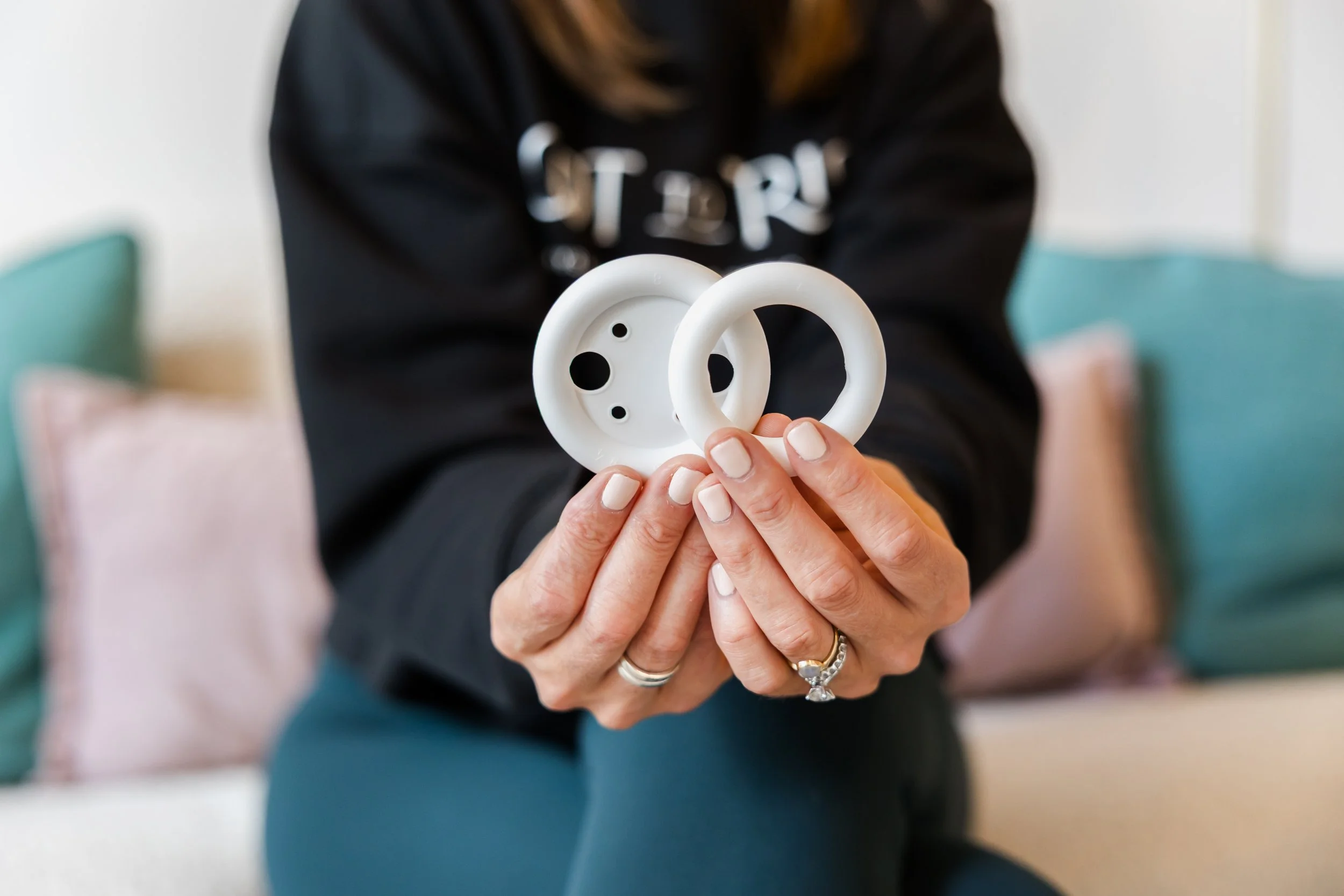
A pessary is a removable device placed in the vagina to support pelvic organs affected by prolapse. Most commonly, it supports:
The bladder (cystocele)
The uterus
The vaginal walls
Sometimes the posterior wall (rectocele)
Its job is to restore support and not block normal function. When properly fitted, a pessary should allow you to urinate and have bowel movements comfortably but there are a few important nuances.
How Prolapse Itself Affects Bowel Movements
Many people with posterior vaginal wall prolapse (rectocele) already experience:
A feeling of incomplete emptying
The need to splint (apply pressure to the vaginal wall)
Straining
Stool trapping
Constipation symptoms
Sometimes, when a pessary is inserted, bowel movements actually improve because the rectal wall has better support. Other times, it may feel different, especially in the beginning.
When a Pessary Might Change Bowel Sensation
Occasionally, you may notice:
A sense of fullness in the back vaginal wall
Subtle changes in how stool passes
Increased awareness of pressure
This is usually related to:
Fit & Position
A pessary that is too large or not ideally shaped for your anatomy may create unnecessary pressure.
Type of Prolapse
Different support devices work better for anterior vs. posterior wall prolapse.
Pelvic Floor Muscle Tension
If the pelvic floor has difficulty relaxing during defecation, adding structural support can highlight an existing coordination issue. In order to address this aspect, pelvic floor physical therapy is essential.
Bowel Movements Are a Pressure System
Healthy defecation depends on:
Diaphragm movement
Abdominal pressure regulation
Pelvic floor relaxation/coordination
Stool consistency
Nervous system regulation
A pessary supports structure while Pelvic floor PT optimizes function.
At our Scarborough pelvic health clinic, we assess:
How you breathe
How your pelvic floor responds to pressure
Whether you’re over-recruiting muscles
How you position during bowel movements
Whether coordination (not weakness) is the true issue
If a pessary would help you and what type would be appropriate
Often, small changes in mechanics dramatically improve symptoms.
What Should You Expect?
With a properly fitted pessary and healthy coordination:
✔ You should be able to pass stool without pain
✔ You should not feel obstructed
✔ You should not need to strain more
✔ You should not feel worsening pelvic pressure
If something feels off, it’s just good information and we can address it.
The Root To Rise Philosophy
At Root To Rise PT in Scarborough, Maine, we believe:
Pelvic organ prolapse should not stop you from doing what you love and it shouldn’t interfere with your daily essentials like your bowel health.
Our approach combines:
✨ Individualized pessary fitting
✨Pelvic floor muscle coordination retraining
✨Breath and core integration
✨Functional strength training
✨Education around bowel mechanics
✨Whole-person, nervous-system-aware care
Sustainable change doesn’t come from a device alone, it comes from restoring balance and resilience in your entire system.
If You’re in Southern Maine
If you live in Scarborough, Portland, South Portland, Cape Elizabeth, or surrounding Southern Maine communities and are navigating prolapse, constipation, or bowel changes with or without a pessary you don’t have to troubleshoot it alone.
You can expect:
Comprehensive pelvic floor evaluations
Pessary fittings and management
Rectocele support strategies
Bowel coordination retraining
Non-surgical prolapse rehabilitation
Collaboration with your providers including your gynecologist, gastroenterologist, nutritionists, personal trainers, and more!
You deserve support that helps you stay active, strong, and confident in workouts and in your everyday life.
Final Thoughts
A pessary can affect bowel sensation but when properly fitted and paired with pelvic floor therapy, it should not impair healthy bowel movements. If something feels different, that’s information and we can work with that. Pessary fitting appointments are available at our office.
Schedule a pelvic floor evaluation at Root To Rise Physical Therapy & Pelvic Health in Scarborough, Maine to create a plan that supports both structure and function.