Yoga for Osteoporosis. A Functional Strength and Movement Approach
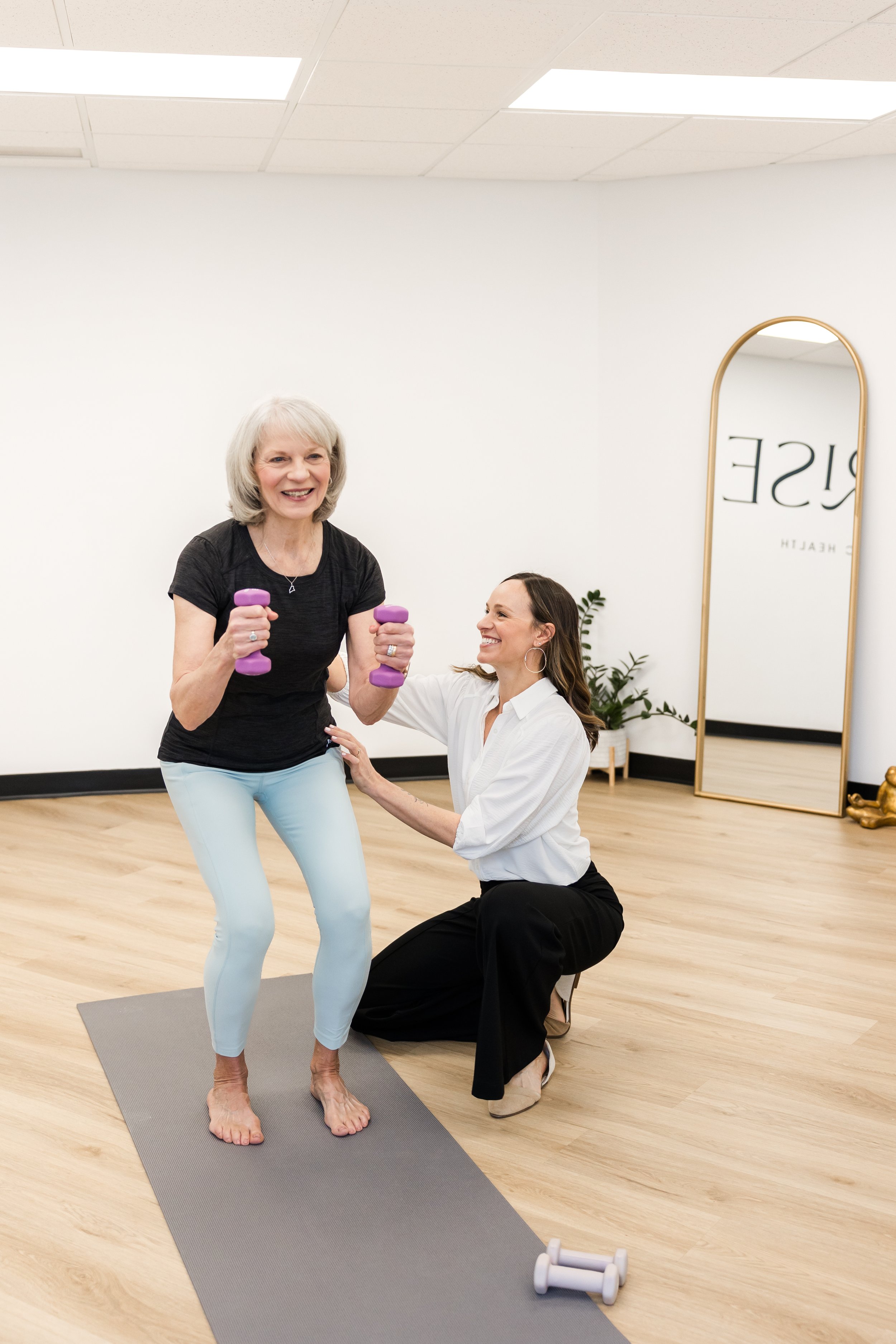
Dr. Jenn Gelfand, PT, DPT, E-RYT treating a patient with osteoporosis with strength focused yoga at Root To Rise in Scarborough, Maine.
When most people hear the word osteoporosis, they often think about what they need to stop doing. They may have been told not to bend forward, not to lift heavy things, or to be extra careful when exercising. While these recommendations often come from a place of caution, they can also create fear and uncertainty around movement.
I believe there needs to be a different conversation. That's why I recently led a workshop in Portland, Maine called Yoga for Osteoporosis: A Strength and Functional Movement Approach. Instead of focusing on restrictions, we focused on what people can do to support their bones, build strength, improve balance, and move with confidence. Because healthy aging isn't just about preventing fractures. It's about preserving the freedom to keep doing the things that bring joy and meaning to your life.
What is Osteoporosis?
Osteoporosis is a progressive skeletal condition characterized by decreased bone mineral density resulting in reduced bone strength and an increased risk of fracture.
Bone is a dynamic, living tissue that is continuously remodeled through the coordinated actions of osteoclasts, which break down old bone, and osteoblasts, which build new bone. In healthy bones, these processes remain relatively balanced. In osteoporosis, however, bone resorption exceeds bone formation, leading to a gradual loss of bone mass and loss of structural integrity.
Many people are first diagnosed with osteopenia, a condition in which bone density is lower than normal but not yet low enough to be classified as osteoporosis. Osteopenia is often considered an early stage of bone loss and serves as an important opportunity to take proactive steps to support bone health and reduce the risk of progression.
Several factors contribute to the development of osteopenia and osteoporosis, including aging, hormonal changes such as perimenopause and menopause, inadequate nutrition, physical inactivity, certain medications, and genetic predisposition. While bone loss is a natural part of aging, osteoporosis is not an inevitable consequence of getting older, and interventions such as resistance training, weight-bearing exercise, adequate nutrition, and fall prevention strategies can help support bone health and reduce fracture risk.
The Menopause Connection
For many women, bone loss accelerates during the years surrounding menopause, including during perimenopause. Estrogen plays an important role in helping maintain bone density by slowing the process of bone breakdown. As estrogen levels decline during menopause, bone resorption begins to outpace bone formation, leading to a more rapid loss of bone density. In fact, the first five to ten years after menopause are often associated with the most significant period of bone loss, making this an especially important time to prioritize strength training, weight-bearing exercise, nutrition, and overall bone health.
Why Vertebral Fractures Are So Common
The vertebral bodies of the spine contain a high percentage of trabecular bone, a type of bone that is particularly vulnerable to osteoporosis. As the vertebrae weaken, they become more susceptible to compression fractures, which can contribute to height loss, changes in posture, and an increase in thoracic kyphosis, or forward rounding of the upper back. These changes can also affect balance and increase the risk of falls. This is one reason why posture, spinal strength, and movement mechanics are such important components of osteoporosis management. By improving strength, body awareness, and movement patterns, we can help support the spine and reduce the risk of injury while maintaining confidence in daily activities.
Why Movement and Strength Training Matters
Wolff's Law tells us that bone adapts to the loads placed upon it. This is one of the reasons movement is so important for bone health. When activity levels decrease due to injury, illness, bed rest, or simply spending more time sitting, bones receive less stimulation and can gradually become weaker. Strength training, weight-bearing exercise, and other forms of mechanical loading help send the message that our bones are still needed, encouraging them to stay as strong and resilient as possible. Every time muscles work against resistance, they pull on bone and stimulate the remodeling process. While exercise alone may not dramatically increase bone density, it can improve bone quality, build strength, enhance balance and posture, and reduce both fall and fracture risk.
Common Myths About Osteoporosis
There are several common misconceptions about osteoporosis, including:
"People with osteoporosis should avoid exercise."
In reality, appropriate exercise is one of the most powerful tools we have to support bone health, improve strength, enhance balance, and reduce fracture risk."Walking is enough to build bone."
While walking is excellent for overall health, bones also benefit from strength training and other forms of weight-bearing exercise that provide greater mechanical loading."Strength training is unsafe for people with osteoporosis."
When performed appropriately, resistance training helps stimulate bone remodeling, maintain muscle mass, and support functional strength."If I have osteoporosis, I should avoid lifting things."
Learning proper movement mechanics and gradually building strength can help people safely perform many of the lifting and carrying tasks required in everyday life."Balance doesn't matter unless I've already fallen."
Balance training is an important part of fracture prevention because it can improve stability, reduce fall risk, and increase confidence with movement."An osteoporosis diagnosis means I need to stop doing the activities I love."
While modifications may sometimes be necessary, many people can continue participating in activities they enjoy with the right guidance, education, and exercise program.
Functional Movement for Real Life
Movement doesn't just happen during exercise. The way we bend, lift, carry, reach, and move through our daily lives matters too. By bringing more awareness and intention to these everyday movement patterns, we can build strength, support our bones, and feel more confident in our bodies.
Here are a few things we explored in the Yoga for Osteoporosis workshop:
Postural Awareness
Standing in Mountain Pose, participants explored:
Head position
Rib cage alignment
Shoulder placement
Weight distribution through the feet
Breathing patterns
We compared rounded posture versus tall posture and immediately noticed differences in breathing, energy, and ease of movement. Neutral alignment provides a more efficient position for loading the body safely and effectively.
Hip Hinge Training
The hip hinge is one of the most important movement patterns for individuals with osteoporosis. We practiced using it during activities such as:
Loading the dishwasher
Gardening
Making beds
Feeding pets
Picking items up from the floor
Lifting groceries
Participants learned how to bend through the hips while maintaining spinal alignment and coordinating their breath during lifting tasks.
Squats, Lunges, and Deadlifts
These foundational movement patterns support activities such as:
Getting up from the floor
Carrying grandchildren
Carrying laundry
Climbing stairs
Daily household activities
Functional strength training prepares us for the demands of real life!
Yoga for Bone Health
One of my favorite parts of the workshop was bringing all of this information into movement. Through a strength-based yoga flow, we practiced many of the same skills that support us in everyday life: maintaining good alignment, building strength, improving balance, getting up and down from the floor, and learning how to move with confidence. The goal wasn't simply exercise. It was helping participants experience what it feels like to be strong, capable, and supported in their bodies.
A special emphasis was placed on strengthening the posterior chain, which includes the muscles along the back of the body. These spinal extensor muscles are particularly important for individuals with osteopenia and osteoporosis because they support upright posture and help counteract excessive thoracic rounding.
Can I Still Do Yoga If I Have Osteoporosis?
One of the most common questions during our workshop was whether yoga is safe for people with osteoporosis. The answer is often yes, but modifications matter.
Many people have been told to avoid certain movements without fully understanding why, which can lead to fear and uncertainty around exercise. During our discussion, we explored common concerns around forward folds, twists, Sun Salutations, and core work. Rather than focusing on what to avoid, we focused on how to move more safely and intentionally.
We talked about maintaining good alignment, using props when needed, moving with control, and finding ways to support the spine while still enjoying a yoga practice. We also discussed how core strengthening doesn't have to mean crunches or sit-ups. Instead, we explored strategies that build stability, improve posture, and support functional movement in everyday life.
The goal isn't to eliminate movement. The goal is to understand how to move in a way that supports both bone health and confidence, allowing you to continue doing the activities you enjoy.
Building Confidence, Not Fear
We closed the workshop by reflecting on where participants felt strong, where they felt steady, and what they learned. The responses were a powerful reminder that while bone density matters, confidence matters too. An osteoporosis diagnosis does not mean you have to stop moving. It means learning how to move with more intention, strength, and trust so you can stay active and continue doing the things you love.
A Final Note
While there are general principles that can help support bone health, it's important to remember that osteoporosis and osteopenia are not one-size-fits-all conditions. Factors such as bone density scores, fracture history, balance, strength, medical history, pain, and overall health can all influence the types of exercises and movement strategies that are most appropriate for you.
The information shared in this workshop and in this blog is intended for educational purposes and should not be considered individualized medical advice. It's important to discuss any concerns about your bone health, medications, fracture risk, or exercise participation with your physician and healthcare team. If you have osteoporosis, osteopenia, a history of fractures, or are unsure how to exercise safely, working with a physical therapist can help you better understand your unique needs and develop a plan that feels both safe and effective.
At Root To Rise, we help individuals build strength, improve balance, optimize movement patterns, and return to the activities they love with greater confidence. If you're newly diagnosed with osteopenia or osteoporosis, navigating the changes of menopause, or looking for guidance on how to move well and stay active as you age, we're here to help.
If you're looking for support in managing osteopenia or osteoporosis, our team at Root To Rise Physical Therapy & Pelvic Health in Scarborough, Maine is here to help.