
Male Pelvic Health
Specialized pelvic therapy for men in Scarborough and Bath.
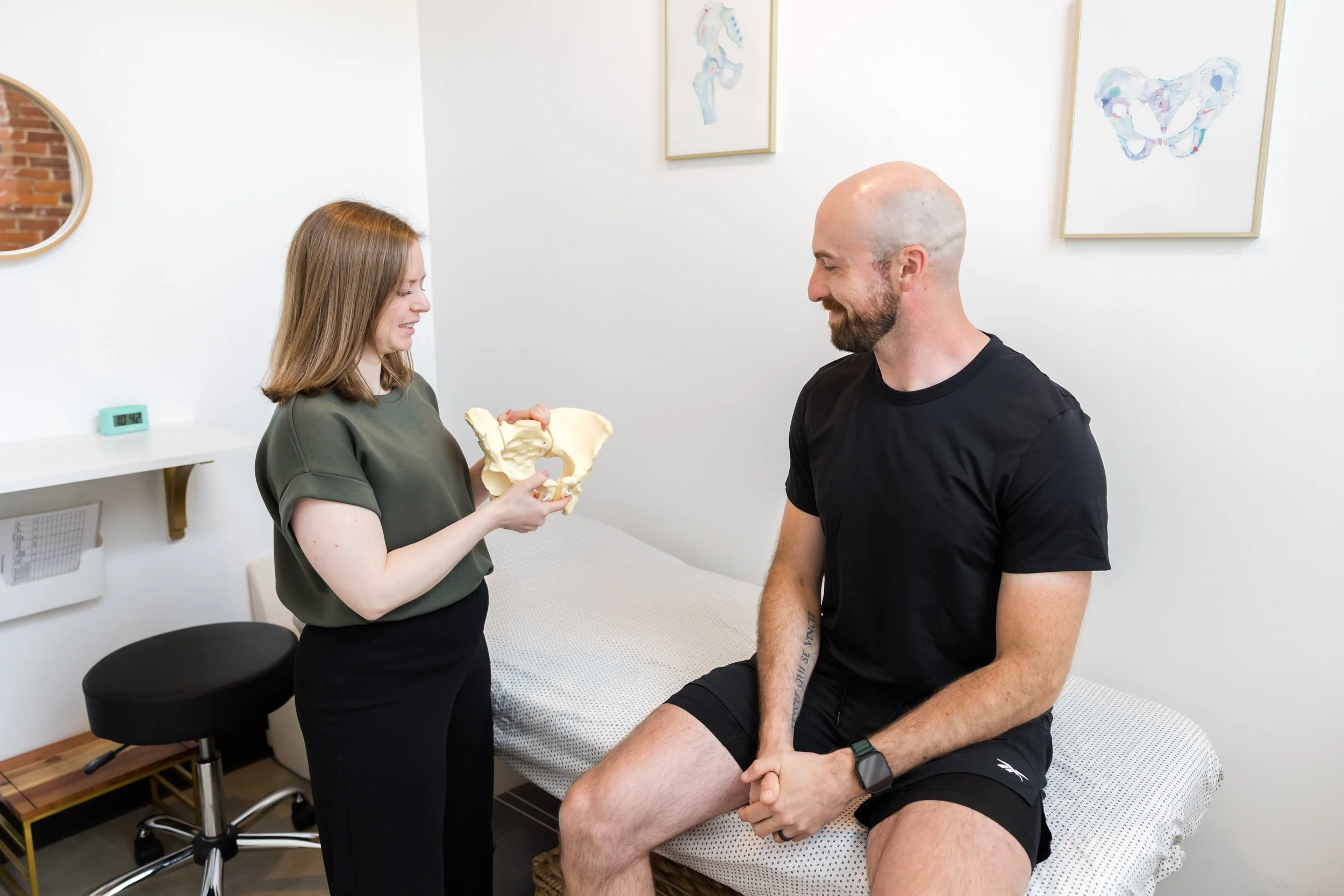
At Root To Rise, we understand that pelvic floor health is essential for everyone, including men.
Whether you're navigating discomfort, urinary symptoms, post-surgical recovery, or sexual health concerns, our team is here to support you with compassionate, expert care tailored specifically for the male body.
Pelvic floor dysfunction in men can present in many ways, including:
Urinary urgency, frequency, or leakage
Post-void dribbling
Constipation or incomplete emptying
Erectile dysfunction or ejaculation issues
Groin, testicular, perineal, or rectal pain
Symptoms following prostate surgery or pelvic trauma
These issues are more common than you think, yet often under-discussed. At Root To Rise, we create a safe, judgment-free space to address these deeply personal concerns with clinical excellence and personalized support.

Here You’ll Work With Specialized Experts in Male Pelvic Health
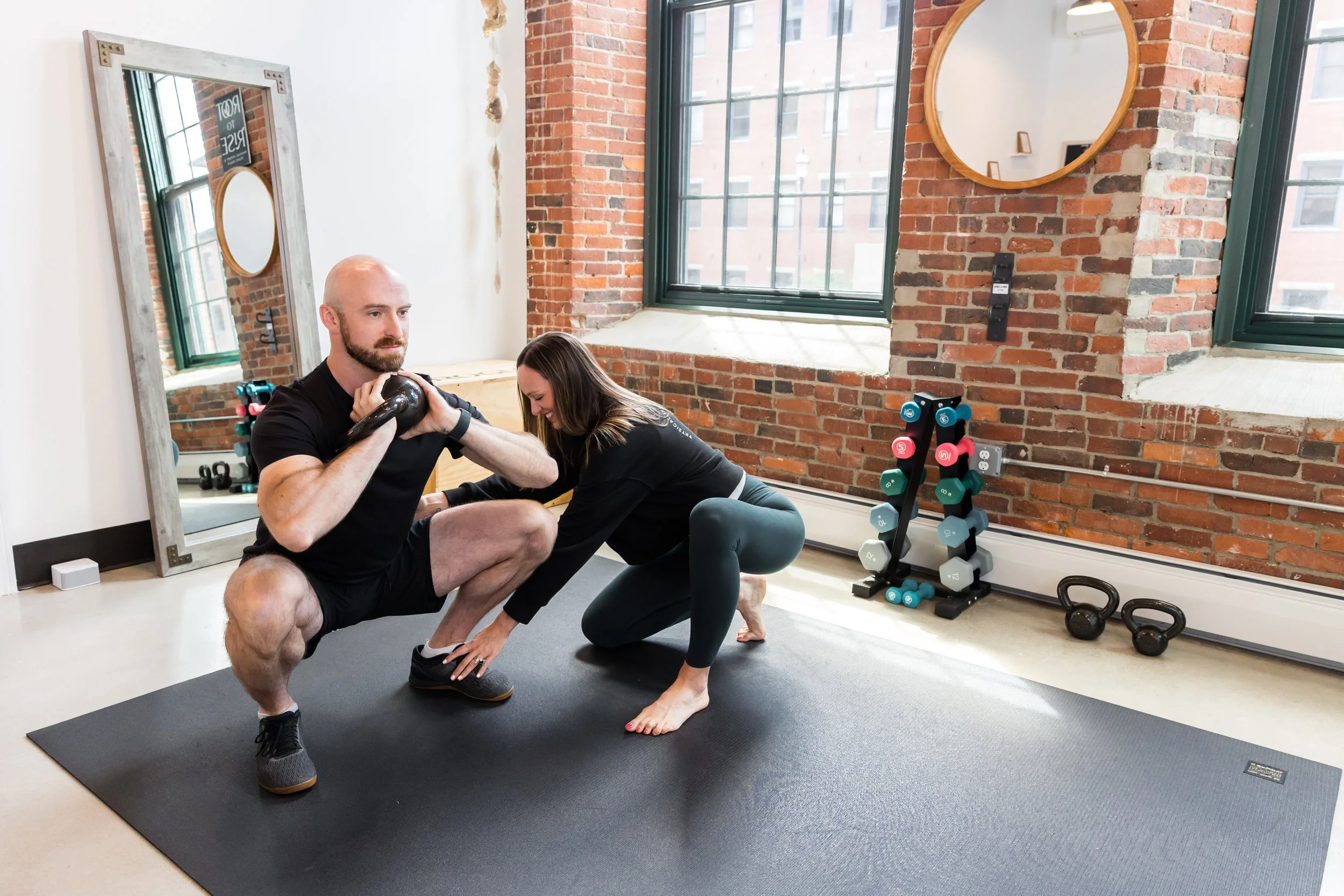
You’ll work with licensed physical therapists who have advanced training in male pelvic floor dysfunction, including internal and external assessment techniques tailored for male anatomy. We use a trauma-informed, consent-based approach to ensure you feel comfortable and empowered at every step. Our treatment philosophy goes far beyond isolated symptom management. We treat the entire person, integrating your history, lifestyle, goals, and nervous system regulation into every plan of care. We’d love to help you reclaim strength, function, and confidence.

What to Expect Inside Male Pelvic Therapy Sessions
You might be wondering what male pelvic health actually looks like. Your journey begins with a comprehensive evaluation, including:
A detailed health and movement history
Orthopedic and functional assessment (spine, hips, posture, gait)
Pelvic floor muscle assessment (internal and/or external as appropriate)
Breathing mechanics and core coordination
A personalized plan with clear goals and guided home support
Treatment will integrate your history, lifestyle, goals, and nervous system regulation and may include:
Manual therapy for trigger points, scar tissue, fascia, or nerve sensitivity
Dry needling and cupping
Pelvic floor retraining (down-training or strengthening)
Breath, core, and posture integration
Visceral and neural mobilization techniques
Bladder, bowel, or sexual health education
Mind-body tools for stress and nervous system regulation
Common Male Pelvic Floor Conditions We Treat
Urinary incontinence, frequency or urgency
Pelvic pain conditions
Erectile dysfunction or ejaculation issues
Interstitial cystitis and painful bladder syndrome
Pudendal neuralgia
Pre and post-prostatectomy
Abdominal and inguinal hernia management
Bowel issues, fecal urgency and/or incontinence
Constipation
Anal fissures
Hemorrhoids
Groin, testicular, perineal, or rectal pain
Sacroiliac joint pain
Coccydynia (tailbone pain)
Low back pain
Hip pain
Frequently Asked Questions about Male Pelvic Health
-
The pelvis means “basin” in Latin. The bones of the pelvis form a bowl shape structure which serves to support our upper and lower body. The pelvic floor muscles live within the pelvic bowl and run from the pubic bone to tail tailbone.
Theses muscles are responsible for many important functions in the body including bladder, bowel, and sexual health and are an important player in providing strength and stability to surrounding regions of the body.
The pelvic floor muscles are just like the other muscles in the body. They can become tight, weak, and uncoordinated resulting in pain, discomfort and compensation. Their influence extends far past the local musculature and pelvis and include the hips, spine, abdomen, ribs, diaphragm and more. This complex part of the body requires a whole body approach.
At Root To Rise, we integrate our expertise in orthopedics as well as the pelvic floor to fully understand you as an entire person and get to the ROOT of what is driving your condition.
-
Yes. Pelvic floor dysfunction is not exclusive to women. Men can experience muscles that are too tight (hypertonic), too weak, or poorly coordinated. All of which can cause real symptoms that are very treatable.
-
Leaking urine when coughing, sneezing, or exercising; urgency or frequency with urination; incomplete emptying; pelvic, perineal, or tailbone pain; pain with sitting; erectile dysfunction; or pain with ejaculation.
-
Some degree of leakage after prostate surgery is very common. Pelvic floor PT, ideally started before surgery and continued after, has strong evidence for shortening recovery time and improving continence outcomes.
-
Sometimes, but not always. If the pelvic floor muscles are already overactive or tight, Kegels can make symptoms worse. A proper evaluation determines whether a man needs strengthening, relaxation, or coordination work.
-
Yes, in many cases. Research supports pelvic floor PT as a first-line treatment for erectile dysfunction, particularly when it's related to pelvic floor tension, poor blood flow mechanics, or post-surgical changes.
-
It typically includes a health history, external assessment of posture and movement, and may include an internal rectal assessment, which is the most accurate way to assess pelvic floor muscle function. Everything is explained in advance and consent is always obtained.
-
It depends on the condition and how long symptoms have been present, but many men notice improvement within 4 to 8 sessions. A personalized home program between visits accelerates progress significantly.
Ready to Get Started?
Whether you’re an athlete recovering from an injury, a prostate cancer survivor, or simply seeking better pelvic health, we partner with you on a path toward healing that feels sustainable and deeply aligned with your life. At Root To Rise, we don't just treat pelvic floor symptoms; we help you reconnect with your body, your strength, and your sense of self. You don’t have to live with pain, dysfunction, or uncertainty. Let us help you achieve your goals with expert care rooted in respect, knowledge, and whole-person healing.
Book your initial evaluation today or reach out with any questions. We’re here for you.